
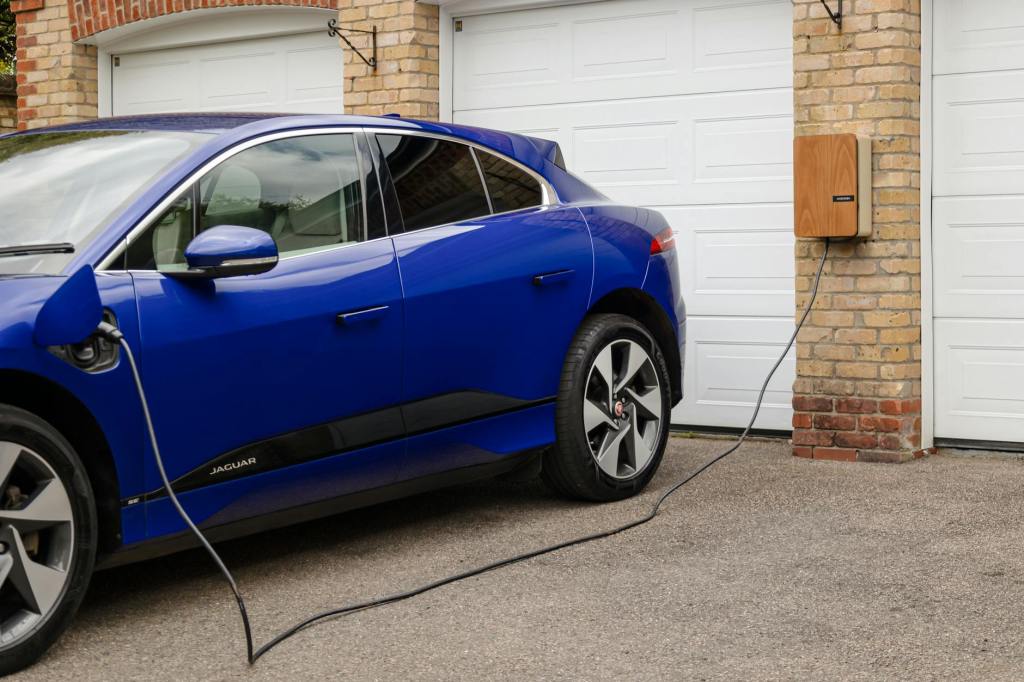
With the rise of electric vehicles (EVs) and increasingly complex automotive systems, ensuring the safety of these systems is paramount. The automotive industry faces various challenges to ensure that vehicles operate safely under all conditions, including system malfunctions. This is where ISO 26262, the international standard for functional safety of road vehicles, comes into play. ISO 26262 addresses the functional safety of electrical and electronic systems in vehicles, ensuring that risks are identified, mitigated, and managed throughout the product lifecycle.
In this blog, we’ll explore ISO 26262 in the context of electric vehicles, its importance, key aspects, and real-world examples demonstrating its application.
What is ISO 26262?
ISO 26262 is a risk-based safety standard specifically designed for the automotive industry. It builds upon the broader IEC 61508, a functional safety standard for electrical/electronic systems across different industries. While IEC 61508 provides a framework for functional safety, ISO 26262 tailors this framework for road vehicles, accounting for the unique challenges faced by the automotive industry, particularly electric vehicles.
The primary focus of ISO 26262 is to minimize the risks caused by malfunctioning of electrical, electronic, and software systems within road vehicles. It ensures that such systems operate reliably, even under fault conditions, preventing or reducing hazards that could potentially lead to dangerous situations.
The standard is divided into ten parts, covering various stages of development, from concept phase through production, operation, service, and decommissioning.
Why is ISO 26262 Important for Electric Vehicles?
Electric vehicles introduce new complexities in vehicle design, such as high-voltage systems, advanced energy storage solutions (like lithium-ion batteries), and power electronics that manage propulsion. These components increase the potential for hazardous failures if not properly controlled.
For example, an electric vehicle’s battery management system (BMS) is crucial for preventing overcharging, overheating, or over-discharging of the battery. If such systems fail, it could lead to a thermal runaway—a dangerous situation where the battery catches fire or explodes.
Furthermore, electric vehicles often come equipped with autonomous driving technologies, which rely on a multitude of sensors, control units, and software algorithms. The integration of these advanced systems requires meticulous attention to safety, making ISO 26262 compliance essential to ensure these systems work as intended under all operating conditions.
Key Concepts and Terminologies in ISO 26262
To understand ISO 26262, one must familiarize themselves with a few important terms:
1. ASIL (Automotive Safety Integrity Level):
ASIL is a risk classification scheme defined by ISO 26262. It helps determine the level of risk associated with a particular system malfunction and specifies the safety measures required to mitigate those risks. ASIL is classified into four levels: ASIL A (least critical) to ASIL D (most critical).
Example: For an electric vehicle’s regenerative braking system, ASIL D would be applied due to the direct impact on the vehicle’s ability to stop safely.
2. Functional Safety Concept:
This defines the safety goals and associated functional requirements that the system must meet to ensure safety under both normal and faulty conditions.
Example: The functional safety concept for an EV’s BMS may include requirements such as limiting battery voltage within a safe range and ensuring safe shutdown in case of a detected fault.
3. Safety Lifecycle:
ISO 26262 emphasizes a safety lifecycle approach, meaning that safety considerations are integrated throughout the entire product development process, from concept design to decommissioning.
4. Failure Modes and Effects Analysis (FMEA):
FMEA is a technique used to analyze potential failure modes within a system and their impact on system behavior. It helps identify failure points and develop strategies to mitigate associated risks.
5. Fault Tolerance and Diagnostic Coverage:
These concepts relate to a system’s ability to continue functioning safely even when faults occur. High diagnostic coverage ensures that faults are detected and addressed promptly, reducing the risk of system failures leading to hazardous situations.
The Role of ISO 26262 in EV Development
ISO 26262 plays a critical role in ensuring the safe development of electric vehicles by imposing safety standards and processes across various stages of EV production. Some of the key areas where ISO 26262 impacts EV development include:
1. Battery Management Systems (BMS):
Electric vehicles rely on large battery packs for power. The BMS controls and monitors the battery’s operation, ensuring that it remains within safe operating limits.
– Safety Concern: Overcharging, overheating, or excessive discharge can lead to battery failure, potentially resulting in fire or explosion.
– ISO 26262 Application: The BMS must meet high ASIL levels (often ASIL C or D), with strict requirements for fault detection, thermal management, and emergency shutdown protocols. It also mandates robust fault-tolerant designs to ensure safe operation even in case of partial system failures.
2. Electric Powertrains:
The electric powertrain includes components such as the inverter, motor, and high-voltage wiring.
– Safety Concern: A failure in the powertrain could cause loss of propulsion, leading to dangerous situations on the road.
– ISO 26262 Application: The powertrain systems are designed with redundancy and fail-safe mechanisms. For instance, the inverter may include multiple layers of monitoring to ensure that motor control remains stable, even in the event of a fault. Moreover, diagnostic coverage ensures that faults are detected early and proper countermeasures are taken.
3. Autonomous Driving Systems:
Modern EVs often include autonomous driving features that rely heavily on sensors, AI, and complex software systems.
– Safety Concern: A failure in the autonomous system could lead to incorrect decision-making, such as misinterpreting obstacles or making wrong maneuvers, endangering both passengers and pedestrians.
– ISO 26262 Application: The sensors and control algorithms used in autonomous driving must meet the highest ASIL levels. Functional safety requirements dictate that these systems perform self-checks and diagnostic tests continuously. In case of malfunction, the vehicle should be able to enter a fail-safe state (e.g., pulling over to a safe stop).
4. High Voltage Systems:
EVs operate on high-voltage electrical systems (typically 400V or higher), which pose significant safety risks.
– Safety Concern: If not properly controlled, high voltage can result in electric shock, fires, or explosion in the event of a system failure.
– ISO 26262 Application: High-voltage systems are required to have multiple layers of protection, including insulation monitoring, ground fault detection, and emergency shutdown mechanisms. ISO 26262 ensures that failures in high-voltage systems are managed safely to prevent harm to vehicle occupants or service personnel.
5. Charging Systems:
The charging systems of EVs, both onboard and external infrastructure, are critical for the safe and efficient transfer of energy.
– Safety Concern: Failures in charging systems could lead to short circuits, overheating, or other hazardous conditions.
– ISO 26262 Application: Charging systems are designed to monitor and regulate the flow of electricity, ensuring that no overcharging or overheating occurs. For instance, if a fault is detected, the system should automatically cut off the power supply to prevent accidents.
Real-World Examples of ISO 26262 in Action
Example 1: Tesla Model S Battery Management System
The battery management system in the Tesla Model S, one of the most prominent electric vehicles on the market, is designed to manage the large battery pack safely under all operating conditions. Tesla adheres to ISO 26262 standards by implementing multiple layers of fault detection and isolation mechanisms within the BMS. In the event of a fault, such as overheating or overcharging, the system can reduce power output, adjust charging rates, or shut down the system to avoid damage or fire.
Example 2: Nissan Leaf Regenerative Braking System
The regenerative braking system in the Nissan Leaf is designed to recover energy during braking and feed it back into the battery. Since braking is a critical function that directly affects vehicle safety, Nissan applies ISO 26262 guidelines to ensure that the regenerative braking system is fault-tolerant. The system is classified under a high ASIL level, with redundancy and diagnostic coverage to detect and manage potential malfunctions.
Example 3: Waymo Autonomous Vehicles
Waymo, a pioneer in autonomous driving technology, integrates ISO 26262 compliance into its system architecture. The sensors, control algorithms, and AI systems are subject to rigorous safety testing and fault management strategies as per ISO 26262 standards. These systems continuously monitor themselves for faults, and in case of a detected malfunction, the vehicle can pull over to a safe stop to prevent accidents.
Challenges in Implementing ISO 26262 for Electric Vehicles
While ISO 26262 provides a comprehensive framework for functional safety, its implementation in electric vehicles presents certain challenges:
1. Complexity of EV Systems: Electric vehicles introduce new systems, such as high-voltage batteries, inverters, and electric motors, which require detailed safety analysis and fault-tolerant design. Ensuring that these systems meet ISO 26262 standards can be challenging due to their complexity.
2. Software-Intensive Systems: EVs rely heavily on software to control various functions, from power management to autonomous driving. Ensuring the functional safety of these software systems, especially in autonomous vehicles, requires thorough testing and validation.
3. Balancing Innovation and Safety: The fast pace of innovation in the electric vehicle space can sometimes make it difficult to balance safety with cutting-edge technology. Manufacturers must ensure that new technologies comply with ISO 26262 without hindering their development.
Summary
ISO 26262 is a critical standard for ensuring the functional safety of electric vehicles. As EVs continue to gain traction in the market, their complexity increases, making functional safety more important than ever. From battery management systems to autonomous driving technology, ISO 26262 ensures that all electrical and electronic systems in EVs operate safely under all conditions. Real-world examples from companies like Tesla, Nissan, and Waymo demonstrate how ISO 26262 is being applied in practice to deliver safer vehicles for consumers.
For any manufacturer, supplier, or developer involved in the EV industry, adherence to ISO 26262 is not just a regulatory requirement but also a commitment to the safety and well-being of drivers, passengers, and other road users. As electric vehicles become the norm, functional safety will remain a cornerstone of vehicle design and development.
—
References:
– ISO 26262 Standard: Functional Safety for Road Vehicles
– “Functional Safety in Electric Vehicles” by IEEE Spectrum
– Tesla’s Approach to Battery Safety and ISO 26262 Compliance
– Waymo’s Autonomous Driving Technology and ISO 26262
 amplev.in
Leave a comment